
Essential Chinese Learning Tools Every Beginner Needs (Free and Paid Breakdown)
A no-nonsense guide to the tools that actually matter -- and which ones are worth paying for.
Walk into any online forum about learning Chinese and within five minutes someone will ask, "What apps should I use?" The responses will list fifteen different tools, each with passionate advocates. You will leave more confused than when you arrived.
The truth is that you need fewer tools than you think. Most successful Chinese learners use three to five core tools consistently, not fifteen tools sporadically. The key is choosing the right tools for each category of learning and then actually using them every day.
This guide breaks down the essential categories, what to look for in each, and whether free options are good enough or whether paying makes a meaningful difference.

Category 1: A Structured Learning Platform
This is your primary tool -- the backbone of your study routine. A structured platform provides lessons that build on each other in a logical sequence, introduces grammar and vocabulary in a pedagogically sound order, and gives you a clear sense of progress.
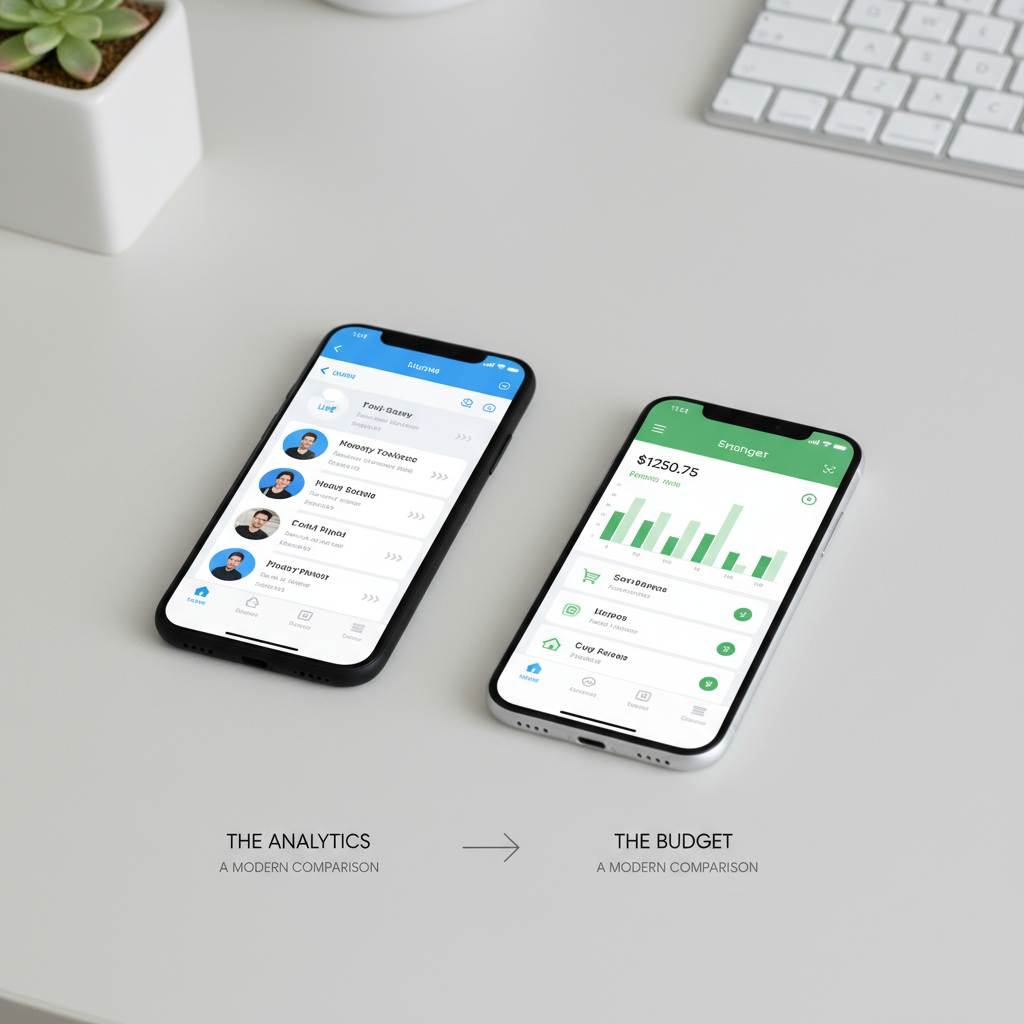
What to look for: Does it teach pinyin and tones properly? Does it include native audio for every word? Does it have a logical curriculum progression? Does it include speaking practice with feedback? Is it designed specifically for Chinese, not adapted from a generic language template? For a head-to-head comparison of two popular options, see our HelloChinese vs Duolingo breakdown.
Pro tip: Free options exist but typically lack structure, proper audio, or speaking feedback. A good paid platform pays for itself in time saved. If you can afford it, this is the single category where paying makes the biggest difference in learning outcomes.
The investment in a good structured platform is worthwhile because it replaces hours of time you would spend figuring out what to study next, in what order, and whether you are doing it right. Time spent choosing what to learn is time not spent actually learning.
Category 2: Spaced Repetition for Vocabulary
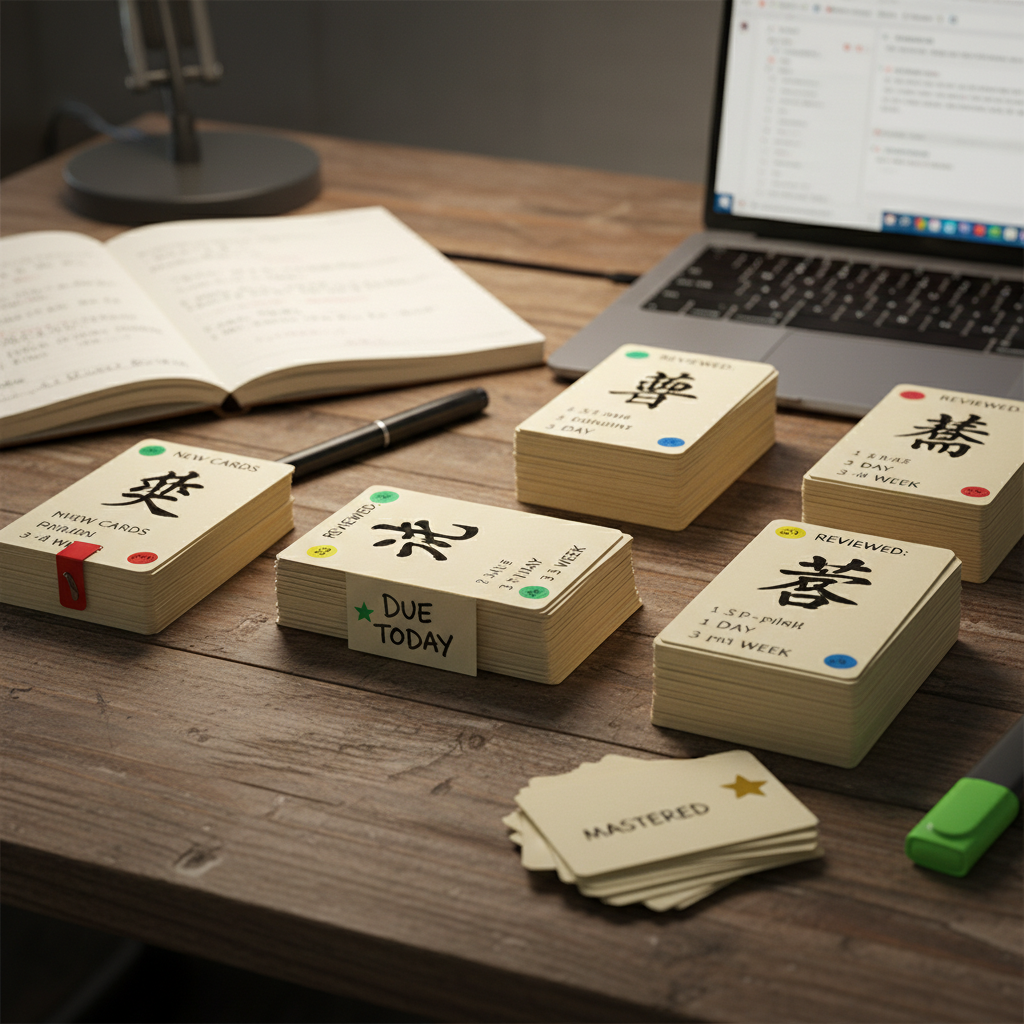
Spaced repetition is the single most efficient method for memorizing vocabulary. It shows you words just before you are about to forget them, which maximizes retention while minimizing study time. You need a spaced repetition system, period.
The good news is that excellent free options exist. Anki is the gold standard for self-directed spaced repetition. It is free on desktop and Android, paid on iOS. It is highly customizable but has a learning curve. For a simpler experience, many learning platforms include built-in spaced repetition that syncs with your lessons.
What makes spaced repetition effective for Chinese:
- It handles the massive vocabulary load -- Chinese requires learning thousands of character-word combinations
- It keeps previously learned words fresh while you focus on new material
- It identifies your weak spots automatically by showing difficult words more often
- It makes 5-10 minute review sessions highly productive, perfect for spare moments during the day
- It works for characters, vocabulary, and even sentence patterns
Verdict: Free is fine here. Anki or any well-designed flashcard app with spaced repetition will serve you well. Paid options add convenience (pre-made decks, better interface) but not fundamentally better learning.
Category 3: Dictionary and Reference
You need a Chinese dictionary that goes beyond simple translation. A good Chinese dictionary shows pinyin, character breakdown by radical, example sentences, usage notes, and related words. You will use this hundreds of times.
Free dictionaries are excellent for Chinese. Pleco is the standard recommendation and has been for over a decade. It is free with optional paid add-ons, works offline, and includes handwriting recognition so you can draw characters you do not know. For web-based reference, several free options provide character decomposition and etymology.
Verdict: Free is more than adequate. Dictionary tools for Chinese are remarkably good at the free tier. The paid add-ons in Pleco (advanced dictionaries, optical character recognition) are nice-to-haves, not essentials for beginners.

Category 4: Speaking Practice
This is where the landscape has changed dramatically in the past two years. Before AI conversation partners, your options for speaking practice were human tutors (expensive, need scheduling), language exchange partners (free but unreliable and unstructured), or talking to yourself (limited feedback).
AI-powered conversation practice has filled a genuine gap. You can practice speaking at any time, get instant pronunciation feedback, make mistakes without social embarrassment, and repeat the same scenario as many times as you need. For beginners especially, AI practice is often more effective than human practice because you can focus entirely on your output without the cognitive overhead of managing a social interaction.
That said, human conversation partners become increasingly valuable as you advance. At the beginner stage, AI handles the repetitive drilling that humans find boring. At intermediate and advanced stages, the unpredictability and cultural nuance of human conversation becomes essential.
Verdict: For beginners, AI conversation practice (paid, typically part of a platform subscription) is the best value. Add human tutoring later when your foundation is solid enough to benefit from unstructured conversation.
Category 5: Listening and Input
You need sources of comprehensible input -- Chinese content that you can mostly understand. At the beginner level, this means graded content designed for learners, not native-level podcasts or TV shows.
Free options are abundant here. YouTube has thousands of beginner Chinese videos. Several podcasts produce graded Chinese content at multiple levels. Even Chinese children's content on streaming platforms provides useful input for adult beginners, though it is admittedly less engaging.
What to look for in listening practice resources:
- Speed-adjusted audio that starts slow and gradually increases to natural pace
- Transcripts in both characters and pinyin so you can follow along and check comprehension
- Content at or slightly above your current level -- if you understand less than 70 percent, it is too hard
- Varied content types: dialogues, stories, explanations, not just one format
- Replay capability so you can listen to the same content multiple times
Verdict: Free is excellent for listening practice. The internet is overflowing with quality Chinese listening content for beginners. Paid content tends to be better organized and graded, but free content is abundant.
Category 6: Character Learning
Learning characters requires a dedicated tool because characters involve visual memory, stroke order, radical recognition, and reading context -- a different set of skills from vocabulary and conversation.
Good character learning tools teach stroke order with animation, break characters into component radicals, provide spaced repetition specifically for character recognition and recall, and include writing practice (either digital or with printable worksheets).
Some learners prefer physical writing with pen and paper, which research suggests may have slight memory advantages for characters. Others prefer digital input which is more practical and closer to how you will actually use Chinese characters in modern life. Both work -- choose the one you will actually do consistently.
Verdict: Free tools cover basic character learning adequately. Paid options offer better animations, smarter review algorithms, and more comprehensive radical breakdowns. Worth paying for if characters are a priority, but not essential in the first month.
The Beginner Toolkit: Minimum Viable Setup
If you want the simplest possible setup that covers all your bases, here is what I recommend.
The essential three-tool setup:
- One structured learning platform with lessons, audio, and speaking practice -- this is your daily driver
- One dictionary app for quick lookups and character exploration
- One spaced repetition tool for vocabulary review (may be built into your platform)
That is it. Three tools. Add listening content from YouTube or podcasts as supplementary material when you have extra time, but the core three will carry you through your first three months without feeling overwhelmed by tool management.
Pro tip: Tool overload is a real phenomenon. Every new app you add creates another thing to check, another login to remember, another set of notifications. More tools does not mean more learning. Choose a small set, commit to them, and resist the urge to keep shopping for the "perfect" app.
The Money Question: What Is Worth Paying For
If you can only pay for one thing, pay for a structured learning platform with AI conversation practice. This is the category where the gap between free and paid is widest. Free resources can handle vocabulary review, dictionary lookups, and listening practice beautifully. But structured lesson sequencing and real-time speaking feedback are expensive to build, and the free versions are typically limited.
Think of it this way: you could assemble a free learning path from YouTube videos, free flashcard apps, free dictionaries, and language exchange websites. Many people do. But the time you spend curating, organizing, and sequencing those free resources is time you are not spending learning Chinese. A good paid platform trades money for structure, and for most people, that trade is worth making.
The cost of learning Chinese online ranges from zero to perhaps $20 to $50 per month for a comprehensive platform. Compare that to in-person classes ($200 or more per month) or private tutoring ($30 to $80 per hour). Online self-study, even with a paid platform, is by far the most cost-effective path.
Get the Complete Toolkit in One Place
Structured lessons, AI conversation practice, native audio, spaced repetition, and progress tracking -- all in one platform designed specifically for beginner Chinese learners.
Related Articles

Written by Conor Martin AI
Creator of the Learn Chinese for Beginners YouTube channel and the Chinese AI learning platform. Helping thousands of people start their Mandarin journey with clear, structured, no-nonsense teaching.
Enjoyed this article?