
Common Tone Pair Combinations That Trip Up Beginners (And How to Master Them)
The 20 two-tone combinations in Mandarin are not equally difficult. Here are the ones that cause the most errors and the drills that fix them.
When you learn individual tones in isolation, they seem manageable. If you need a refresher on each tone in detail, start with our complete guide to Mandarin tones. First tone is high and flat. Second tone rises. Third tone is low. Fourth tone falls. You can produce each one in isolation with reasonable accuracy after a few days of practice.
Then you try to say a two-syllable word, and everything falls apart. The transition from one tone to the next introduces a motor challenge that isolated practice does not prepare you for. Your voice has to end one pitch pattern and immediately begin another, and the starting pitch of the second tone depends on where the first tone ended.
This is why tone pair practice is the most effective approach to tone mastery. Instead of drilling tones individually, you drill every possible combination of two tones using real vocabulary. There are roughly 20 combinations (four tones times five including neutral tone), and some are dramatically harder than others for English speakers.
The Easiest Pairs (Start Here)
First Tone + Fourth Tone (1-4)
This is often the easiest pair because both tones are physically distinct and the transition is simple: hold high, then drop sharply. Example words: "zhongshi" (emphasize), "feichang" (very). Start your practice with this pair to build confidence.
Fourth Tone + First Tone (4-1)
Drop sharply, then jump back up to a high flat pitch. The contrast is clear and the motor pattern is straightforward. Example: "dasheng" (loud). Your voice makes a decisive V-shape in pitch.
First Tone + First Tone (1-1)
Two high flat tones in a row. The challenge is maintaining the high pitch without letting it sag in the middle. Think of it as singing one sustained note across two syllables. Example: "feiji" (airplane), "jintian" (today).
The Medium Difficulty Pairs
Second Tone + First Tone (2-1)
Rise up, then hold high. The tricky part is that your rising tone needs to reach high enough to seamlessly connect with the high flat tone that follows. If your second tone undershoots, the first tone that follows will start too low. Example: "xuesheng" (student).
Fourth Tone + Fourth Tone (4-4)
Two sharp drops in a row. The challenge is resetting your pitch back to high before the second drop. If you do not reset fully, the second fourth tone starts from a lower pitch and sounds like a weaker version of the first. Both drops should be equally decisive. Example: "dianhua" (telephone).
First Tone + Second Tone (1-2)
Hold high, then rise. This sounds counterintuitive -- how do you rise from an already high position? The answer is that the second tone starts from a mid pitch, not from where the first tone ended. There is a slight drop between the two syllables before the rise begins. Example: "zhongguo" (China).
The Hard Pairs (Where Most Errors Happen)
Second Tone + Third Tone (2-3)
Rising then dropping low. English speakers frequently make the second tone too gentle and the third tone too bouncy, so this pair comes out sounding mushy. The second tone needs a strong, committed rise, and the third tone needs to sit firmly at the bottom of your range. Example: "pingguo" (apple).
Pro tip: The 2-3 combination is the single hardest tone pair for most English speakers. The problem is that both tones involve pitch movement, and the transition point is ambiguous. Practice this pair with extra repetition and always use AI or recording feedback to verify accuracy.
Third Tone + Third Tone (3-3, becomes 2-3)
When two third tones appear in sequence, the first one changes to second tone -- this is the most important tone sandhi rule in Mandarin. "Ni hao" is written as third-third but pronounced as second-third. The difficulty is remembering to make the change and producing a natural-sounding second tone in a position where your instinct says third.
Practice this pair extensively with common words: "ni hao" (hello), "hen hao" (very good), "suoyi" (therefore). The sandhi change should become automatic -- you should not have to think about it.
Third Tone + Second Tone (3-2)
Low then rising. The challenge is keeping the third tone genuinely low without letting it bounce up before the second tone begins. English speakers tend to add a slight rise to the end of third tone (the textbook V-shape habit), which makes the transition to second tone sound blurred. Keep the third tone flat and low, then start the rise cleanly for the second tone.

The Practice Method
Here is a structured approach to tone pair practice that produces measurable improvement within two weeks.
Tone pair practice protocol:
- Choose one tone pair to focus on per session. Do not practice all 20 at once.
- Collect 10 real vocabulary words that use that tone pair.
- Listen to native audio of each word three times before attempting to produce it.
- Say each word, record yourself, and compare to the native audio. Repeat until the recording sounds close to the model.
- After mastering the words in isolation, practice them in short sentences to add cognitive load.
- Track your accuracy and spend more time on pairs where your accuracy is below 70 percent.
- Cycle through all 20 pairs over two to three weeks, then repeat the cycle focusing on your weakest pairs. Our 15-minute daily tone drill routine provides a structured framework for this.
Priority Order for Practice
If you have limited practice time, prioritize the pairs that appear most frequently in common Chinese vocabulary. The most common tone pairs in everyday Mandarin, roughly in order of frequency, are: 2-4, 1-4, 4-4, 1-1, 2-1, 3-4, 1-2, 4-2. Start with these high-frequency combinations to get the most conversational value from your practice time.
Then tackle the pairs that are difficult for you personally, regardless of frequency. Everyone has different weak spots. Use recorded practice to identify which pairs consistently give you trouble, and dedicate extra sessions to those.
Drill All 20 Tone Pairs with AI Scoring
Our tone pair trainer uses real vocabulary from your current lesson, scores each pair individually, and automatically schedules more practice for your weakest combinations.
Related Articles

Complete Guide to Mandarin Tones for English Speakers (With Audio Examples)
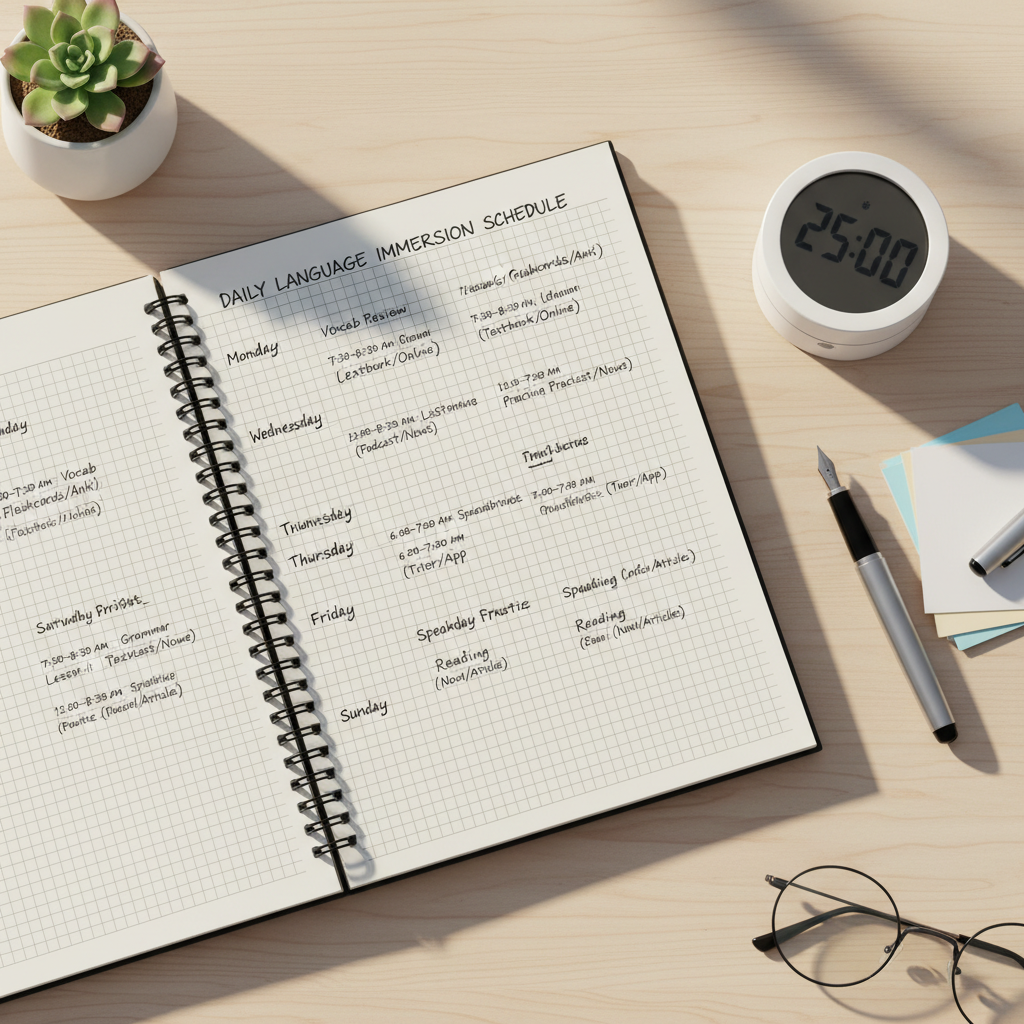
Chinese Tone Drills: 15-Minute Daily Practice Routine for Tone Accuracy

Minimal Pairs in Mandarin: Training Your Ear to Distinguish Similar Sounds
Written by Conor Martin AI
Creator of the Learn Chinese for Beginners YouTube channel and the Chinese AI learning platform. Helping thousands of people start their Mandarin journey with clear, structured, no-nonsense teaching.
Enjoyed this article?